
Introduction: Answering the Core Question — Is Red Light Therapy Safe For Eyes?
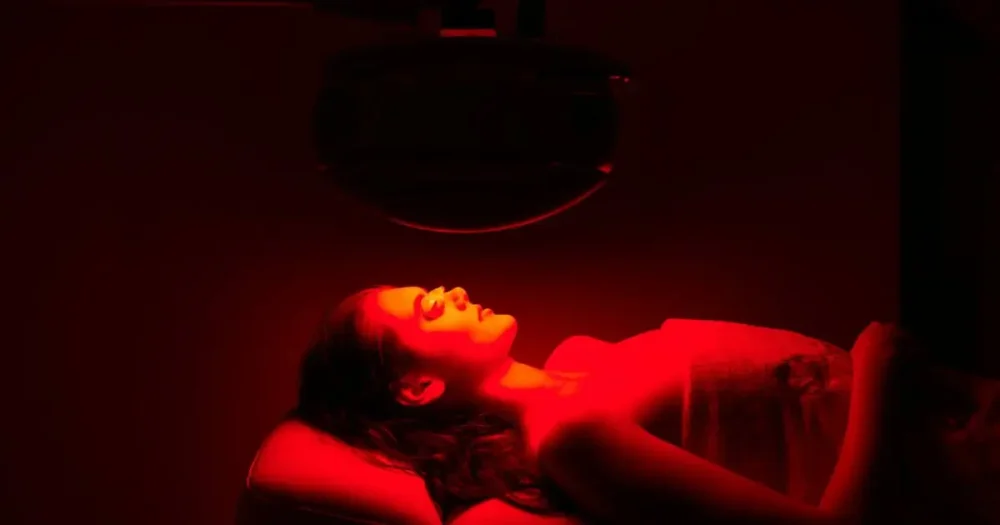
Understanding the nuances of Red Light Therapy Eye Protection is paramount for any professional offering photobiomodulation services. The primary question from clients is almost always the same: is it safe? Let’s address this head-on. The answer is: Yes, when using high-quality, FDA-cleared red light therapy devices correctly, the therapy is overwhelmingly safe for the eyes. Furthermore, a growing body of scientific research suggests it may even be beneficial for improving vision.
However, for you—as a clinic owner, spa professional, or wellness expert—a simple “yes” is not enough. Your clients need more than an answer; they need reassurance from a trusted authority. In addition, your business needs more than reassurance; it needs a set of impeccable safety protocols for Red Light Therapy Eye Protection.
This in-depth guide will provide you with everything you need to earn that trust. We will dive deep into the science, equip you to answer your clients’ toughest questions, and provide an actionable safety framework to turn safety into your business’s strongest asset and most compelling marketing tool.
Part 1: The Science Decoded – Arming You With Professional Knowledge
To communicate with confidence, you must know more than your clients. This section builds your foundational knowledge.
The Fundamental Difference: Why Wavelength and Energy Matter for Eye Safety
A client’s concern about “bright light” usually stems from their experience with sunlight. Therefore, your first job is to draw a clear, scientific distinction.

- Wavelength is Everything: In fact, the primary culprit for eye damage from sunlight is ultraviolet (UVA/UVB) radiation. Professional red light therapy devices operate using very specific, non-damaging wavelengths of light. Specifically, these are red light (approx. 630-660nm) and near-infrared light (approx. 810-850nm). These red light therapy wavelengths exist within the “therapeutic window,” meaning they carry enough energy for our cells to absorb for a positive biological effect, yet they contain absolutely no harmful UV rays.
- Controlled Energy Dosage: Another key concept is “irradiance,” which is the density of light energy delivered to a surface. Manufacturers carefully calibrate professional devices to deliver a safe and effective dose of energy at recommended treatment distances and times. This stands in stark contrast to the uncontrolled and harmful wavelengths found in natural sunlight.
Comparing Light Sources: LEDs vs. Lasers vs. The Sun
- Sunlight: This is a mixed source containing the full spectrum, including harmful UV. Its energy is immense and unregulated.
- Lasers: These project highly concentrated, focused light. Consequently, the risk of eye damage is significant if aimed directly at the eye.
- Professional LEDs: As the core technology in modern
red light therapy devices, LEDs emit diffuse, non-coherent light. This means the light is gentle and spread over a wide area. As a result, the technology dramatically reduces the risk of thermal damage to the eye, as the device does not focus energy on a single point. This is a key reason why bothred light therapy masks vs panelsare safe when used correctly.
Expert Quote: “The key takeaway for any professional is that professional-grade LED devices operate on a foundation of safety. By utilizing specific, non-UV wavelengths and diffuse light, we fundamentally eliminate the risks associated with sunlight or lasers.”
Part 2: Addressing Core Client Concerns – From Safety to Benefits
This is the heart of your client interaction. Here, you can transform client concerns into an appreciation for your expertise.
A Deep Dive: “Do I Need Eye Protection for Red Light Therapy?”
This is the most frequently asked question, and your answer should be nuanced and professional, depending on the device being used.

- For Red Light Masks: Many high-quality
RLT face maskshave a design that prioritizes eye safety, often featuring built-in eye shields that prevent direct exposure. For clients, simply keeping their eyes closed is typically sufficient. You can tell them, “Designers created this mask specifically for facial use, so you only need to keep your eyes closed for a comfortable and safe session.” - For Red Light Panels: Due to the larger surface area and greater intensity of light, we consider providing clients with professional-grade blackout goggles to be the best practice. You can say, “For maximum comfort and relaxation, we strongly recommend wearing the professional goggles we provide. In fact, this is part of our standard procedure to ensure the best possible experience.”
For Your Clinic: “What Kind of Eye Protection for Red Light Therapy is Best?”
This question is critical when you are purchasing equipment for your business, because the choice reflects on your brand’s commitment to safety.
- Prioritize Certifications: Always choose eye protection that is FDA-Cleared or Listed and CE-Certified. This is the most powerful proof of quality you can offer your clients.
- Match the Wavelengths: Furthermore, ensure the goggles are rated to block the full spectrum of light your devices emit. A good pair of goggles should effectively block wavelengths up to 850nm and beyond.
- Focus on Comfort & Hygiene: Also, opt for goggles made from soft, flexible, medical-grade silicone. They are not only more comfortable for the client but are also non-porous and easy to sanitize properly.
- Demand Supplier Transparency: Finally, partner with a reputable supplier like Youlumi that provides full technical specifications and certification documentation for their products.
From Harmless to Helpful: Can Red Light Therapy Actually Improve Vision?
Once you have thoroughly addressed the safety concerns, you can elevate the conversation by introducing the exciting potential benefits.
- The Science: The retina in our eyes has one of the highest concentrations of mitochondria in the entire body. However, as we age, the performance of these cellular “powerhouses” declines, which is a major factor in age-related vision loss.
- “Recharging” the Retina: Groundbreaking studies from UCL, led by Professor Glen Jeffery, have found that certain wavelengths of deep red light (around 670nm) can be absorbed by these mitochondria. This, in turn, boosts their energy (ATP) production. This is effectively like “recharging” aging retinal cells.
Expert Quote: “Beyond just safety, we’re entering an exciting era where light therapy is being explored not just for what it doesn’t harm, but for what it can potentially heal. The research into retinal mitochondrial ‘recharging’ suggests we are only just beginning to unlock the full potential of photobiomodulation for wellness.”
Part 3: Professional Application & Safety Protocols
This section is about your operations and your competitive advantage.
Your Clinic’s Protocol for Red Light Therapy Eye Protection
Implement this five-step process as a Standard Operating Procedure (SOP) in your clinic to guarantee a safe and professional experience.

- First, Client Intake & Assessment: Before the first session, have clients fill out an intake form. A key part of this step is to screen for any potential contraindications for red light therapy, such as photosensitivity or active cancer in the treatment area.
- Next, Informed Consent: Provide a professional consent form that includes a section on eye safety precautions and recommendations. Then, require a client signature before proceeding.
- Then, Standardized Safety Demonstration: Verbally instruct the client to keep their eyes closed and not to look directly at the LEDs. Present them with sanitized eye protection and guide them on how to wear it correctly.
- Additionally, Professional Supervision: Especially for first-time clients, ensure a staff member is present to answer questions and provide reassurance. This personal touch significantly enhances their sense of security.
- Finally, Post-Treatment Follow-up: After the session, ask the client about their experience, specifically noting their comfort level. Documenting this feedback is crucial for quality control.
The Art of Marketing: Turning “Ultimate Safety” Into Your Ace Card
In a crowded market, safety is a powerful differentiator.
- Show, Don’t Just Tell: For example, create content (videos, blog posts) showcasing your sanitization process for goggles and highlighting the professional-grade equipment you use.
- Justify Your Pricing: You can also frame your services to reflect this value. Instead of “30-Min Red Light Session,” list it as “30-Min Professional Red Light Therapy Session (FDA-Cleared Equipment & Full Safety Protocol).”
- Attract High-Value Clients: In the end, clients who are most invested in their health will pay a premium for services they can trust. Your meticulous approach to safety will naturally attract and retain this ideal clientele.
Frequently Asked Questions (For Professionals)
Q1: What are the main differences in eye safety protocols between a red light therapy mask and a large panel?
A: The primary difference lies in the proximity and direction of the light. With a mask, the LEDs are very close to the face, but designers create quality masks with built-in eye shields or contours that prevent direct exposure. For clients, simply keeping their eyes closed is typically sufficient. However, for a panel, the light source is larger and more powerful. While the distance is greater, the overall intensity warrants a stricter protocol. Therefore, we always recommend providing clients with professional-grade blackout goggles for panel sessions.
Q2: A client is concerned about hyperpigmentation. Can red light therapy cause or worsen it?
A: This is an important question. In fact, high-quality red light therapy, which uses red and near-infrared light without any UV wavelengths, does not cause hyperpigmentation. On the contrary, research indicates that red light therapy can help reduce hyperpigmentation by promoting cellular repair and reducing inflammation. Any concerns about hyperpigmentation are typically linked to UV exposure or devices that produce excessive heat, neither of which applies to professional-grade LED therapy.
Q3: Can my clinic market red light therapy as a “treatment” for eye diseases like AMD or glaucoma?
A: It is crucial to be precise with your marketing language. For instance, while emerging research into red light therapy for eye health is very promising, you should not market it as a “treatment” or “cure” for specific medical eye diseases. Instead, you can frame it as a “wellness service that supports cellular health,” always referencing emerging studies. Importantly, advise clients with diagnosed medical conditions like Age-related Macular Degeneration (AMD) to consult their ophthalmologist first.
Q4: How should I respond when a client asks if red light therapy will help them produce Vitamin D?
A: This is a frequent misconception. You should confidently explain that Vitamin D synthesis in the skin is triggered exclusively by UVB radiation. Red light therapy devices, of course, do not emit any UV light. You can explain it simply: “That’s a great question! Our bodies need UVB light from the sun to make Vitamin D. This device uses red and near-infrared light, which works on a cellular level to boost energy and repair. However, it doesn’t trigger Vitamin D production, as they are two different biological processes.”
Conclusion: Moving Beyond Answers to Become the Trusted Authority
Ultimately, the conversation around Red Light Therapy Eye Protection comes down to one word: trust.
By mastering the science, communication skills, and operational protocols in this guide, you will position yourself not just as a service provider, but as a trusted authority. You can confidently eliminate client fears and, through your unwavering commitment to proper Red Light Therapy Eye Protection, build a reputable, premium brand that clients trust and competitors respect.
Ready to Elevate Your Business to the Highest Standard of Professionalism?
We understand that professional-grade equipment and unwavering support are the cornerstones of your success.
Request a Wholesale Account & Quote for Your Business
Access exclusive B2B pricing on our complete line of professional red light therapy devices and accessories.


