
Eczema affects millions worldwide, turning the simple comfort of healthy skin into a daily struggle against itching, inflammation, and discomfort. While traditional treatments like topical steroids offer temporary relief, patients and practitioners are increasingly seeking safer, more sustainable solutions. Enter red light therapy (RLT), an innovative, non-invasive approach that leverages the power of light to heal skin from within.
This comprehensive guide will explore the science behind red light therapy for eczema, comparing it to traditional methods and providing practical advice for both clinical and at-home use.
What Is Red Light Therapy? Harnessing Light for Cellular Health
Red light therapy, also known as photobiomodulation (PBM), is a therapeutic technique that uses specific, low-level wavelengths of light to enhance cellular function, reduce inflammation, and accelerate tissue repair. Unlike ultraviolet (UV) light, which can cause skin damage, the wavelengths used in RLT are safe and beneficial.
Decoding the Wavelengths
RLT utilizes two primary ranges of the light spectrum:
- Red Light (approx. 630–670 nm): This visible light has a shorter wavelength and is primarily absorbed by the skin’s surface layers. It is exceptional for boosting collagen production, healing wounds, and improving the skin barrier.
- Near-Infrared (NIR) Light (approx. 810–880 nm): This invisible light has a longer wavelength, allowing it to penetrate deeper into tissues, muscles, and joints. It is highly effective at reducing deep-seated inflammation and improving circulation.
Modern, professional-grade devices often combine both red and NIR wavelengths to deliver a synergistic treatment that addresses both surface-level skin repair and underlying inflammation—a perfect combination for managing eczema light therapy.
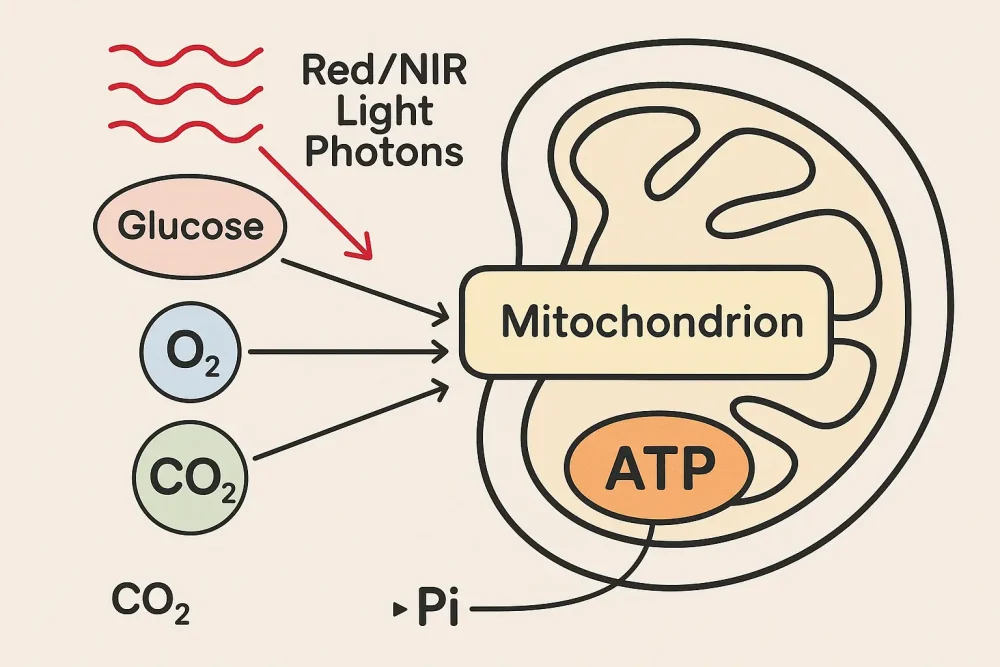
The Mechanism: How Light Energizes Your Cells
The magic of RLT happens at a microscopic level. When these specific light wavelengths penetrate the skin, they are absorbed by photoreceptors within our cells, primarily in the mitochondria—the cellular “powerhouses.”
This absorption triggers three key biological processes:
- Increased ATP Production: Mitochondria use the light energy to produce more adenosine triphosphate (ATP), the primary energy currency of all cells. More ATP means cells have more energy to perform their functions, including repair and regeneration.
- Reduced Inflammation: RLT helps modulate the release of inflammatory cytokines, the proteins that signal the body’s inflammatory response. By calming this response, it directly reduces the redness, swelling, and itching associated with eczema flare-ups.
- Enhanced Skin Healing: The boost in cellular energy and improved circulation stimulate the production of collagen and elastin, proteins essential for skin structure and elasticity. This helps repair the compromised skin barrier characteristic of eczema.
A Closer Look at Eczema: More Than Just Dry Skin
Eczema is not a single condition but a group of inflammatory skin disorders. Understanding its nature is key to appreciating how red light therapy can help.
Common Types of Eczema
While there are several types, the most prevalent include:
- Atopic Dermatitis: The most common form, often linked to genetics and immune system dysfunction. It typically starts in childhood.
- Contact Dermatitis: Caused by direct contact with an irritant (like a chemical) or an allergen (like nickel or poison ivy).
- Dyshidrotic Eczema: Characterized by small blisters on the hands and feet.
- Seborrheic Dermatitis: Affects oily areas like the face, scalp, and chest, causing scaly patches and dandruff.
The Vicious Itch-Scratch Cycle
Regardless of the type, eczema symptoms are often universal:
- Intense itching (pruritus)
- Red, inflamed patches
- Dry, scaly, or thickened skin
- Painful cracks or fissures
- Recurrent flare-ups triggered by allergens, stress, or weather changes.
This leads to the notorious “itch-scratch cycle.” Itching prompts scratching, which further damages the skin barrier, increases inflammation, and intensifies the itch.
The Science: How Red Light Therapy Directly Combats Eczema
Now, let’s connect the dots. How does stimulating mitochondria and reducing inflammation translate into relief for eczema sufferers? The evidence points to a multifaceted approach that addresses the root causes of eczema symptoms.
1. Potent Inflammation and Itch Reduction
Inflammation is the primary driver of eczema’s redness and discomfort. Clinical studies have shown that red and near-infrared light therapy significantly lowers levels of inflammatory markers like interleukin-6 (IL-6) and tumor necrosis factor-alpha (TNF-α). By calming this inflammatory cascade, RLT provides powerful skin inflammation relief and helps break the itch-scratch cycle without the side effects of steroids.
One study published in the Journal of Allergy and Clinical Immunology noted that phototherapy could modulate the immune response in the skin, a key factor in managing atopic dermatitis therapy. This same immune-modulation mechanism underlies emerging research into red light therapy for vitiligo, another autoimmune skin condition.
2. Skin Barrier Fortification and Repair
A healthy skin barrier is crucial for retaining moisture and protecting against external irritants. In eczema, this barrier is compromised. Red light therapy promotes the proliferation of fibroblasts—the cells responsible for producing collagen. Increased collagen helps rebuild the skin’s structural integrity, making it more resilient, hydrated, and less prone to flare-ups. This makes RLT a promising non-invasive eczema solution.
3. Boosted Circulation and Cellular Healing
NIR light, in particular, enhances the formation of new capillaries (angiogenesis). This improved blood flow delivers more oxygen and vital nutrients to damaged skin cells while more efficiently removing waste products. This optimized cellular environment accelerates the natural healing process, allowing eczema lesions to repair faster.

Red Light Therapy vs. Traditional Eczema Treatments
Traditional treatments are often effective but come with significant drawbacks, especially for long-term management.
- Topical Corticosteroids: These are the first-line defense for reducing inflammation. However, prolonged use can lead to skin thinning (atrophy), discoloration, and stretch marks.
- Immunosuppressants (e.g., Calcineurin Inhibitors): These creams help by suppressing the immune response in the skin but can cause burning or stinging and carry warnings about potential long-term risks.
- Systemic Medications (Oral or Injected): For severe eczema, doctors may prescribe powerful drugs that suppress the entire immune system, increasing the risk of infections and other serious side effects.
The Advantages of Red Light Therapy:
- Drug-Free: It works with your body’s natural healing mechanisms, avoiding the introduction of foreign chemicals.
- Non-Invasive: There are no needles, chemicals, or harsh procedures involved.
- Minimal Side Effects: When used correctly, RLT has an excellent safety profile with virtually no known long-term negative effects.
- Holistic and Proactive: It aims to improve overall skin health and resilience, not just mask symptoms.
How to Use Red Light Therapy for Eczema: A Practical Guide
Integrating RLT into a treatment plan is straightforward, whether in a professional setting or at home.
Setting Realistic Expectations: The Journey from ‘Before’ to ‘After’
While the science is promising, it’s crucial to understand that red light therapy is not an overnight cure. The journey from a “before” state of active inflammation to an “after” state of calm, healthy skin is a gradual process built on consistency. Here is what a typical progression might look like:
- Initial Phase (Weeks 1–3): The first changes are often felt rather than seen. Many users report a significant reduction in pruritus (itching) and a soothing sensation on the treated areas. This initial relief is key to breaking the debilitating itch-scratch cycle.
- Intermediate Phase (Weeks 4–12): Visible improvements begin to manifest. You may notice a gradual fading of redness and a reduction in inflammation. The skin’s texture can start to feel smoother as the barrier begins to repair, leading to less dryness and flaking.
- Long-Term Results (3+ Months): With consistent use, the focus shifts from acute symptom management to proactive skin health. The skin barrier becomes more resilient, potentially leading to less frequent and less severe flare-ups. The overall goal is to achieve a sustained state of calm, healthy-looking skin.

Disclaimer: These results are based on anecdotal reports and clinical observations. Individual outcomes can vary significantly based on the severity of the eczema, consistency of use, device quality, and other personal health factors.
Treatment Frequency and Duration
Consistency is key. General guidelines suggest:
- Frequency: 3 to 5 sessions per week.
- Duration: 10 to 20 minutes per affected area.
- Distance: Hold the device 6 to 12 inches away from the skin for optimal light absorption.
Results are cumulative. While some users report initial relief from itching within a few sessions, significant improvements in skin texture and inflammation may take several weeks to months of consistent use.
Safety First: Important Considerations
- Start Slow: If you have sensitive skin, begin with shorter sessions (3–5 minutes) and gradually increase the duration.
- Eye Protection: Always wear the provided safety goggles when using RLT on or near the face.
- Clean Skin: Use the device on clean, dry skin, free of any lotions or creams that could block the light.
At-Home Devices vs. Professional Clinics
- Professional Treatments: Clinics and spas often have powerful, full-body panels that can treat large areas efficiently. This is a great option for those with widespread eczema or who want to experience the therapy before investing in a device.
- At-Home Devices: The convenience of at-home RLT is a game-changer for chronic conditions like eczema. High-quality, portable panels or targeted devices allow for the daily consistency needed for the best results. For more information on different options, explore our blog.
Who Can Benefit from Red Light Therapy?
RLT is a versatile eczema treatment suitable for a wide range of individuals and businesses.
- Adults with Chronic Eczema: Those looking for a long-term management strategy to reduce reliance on medication will find RLT invaluable.
- Children: With pediatric and dermatological guidance, RLT can be a gentle and safe option for children suffering from eczema.
- Clinics, Spas, and Wellness Centers: Offering red light therapy is an excellent way to expand service menus with a high-demand, science-backed treatment. It complements other aesthetic and therapeutic services, attracting clients seeking advanced, non-invasive skin solutions.

Frequently Asked Questions (FAQs)
1. Is red light therapy safe for children with eczema?
Generally, yes. However, it is crucial to consult a pediatrician or dermatologist before starting treatment. Use a reputable, low-EMF device and always supervise sessions, ensuring the child wears eye protection.
2. How long before I see results for my eczema?
Results vary based on the severity of the eczema and the consistency of use. Some users feel itch relief within 1–2 weeks, while visible improvements in skin texture and redness can take 4–12 weeks of consistent use.
3. Can red light therapy replace my prescription eczema medication?
You should not stop or alter any prescribed medication without consulting your doctor. RLT is best viewed as a powerful complementary therapy that can work alongside your current treatment plan to enhance results and potentially reduce the need for medication over time.
4. Are there any side effects?
Side effects are extremely rare and mild. Some people may experience temporary redness or tightness, which typically subsides shortly after treatment. This is often due to the increase in local blood circulation.
5. What kind of device should I look for?
For effective treatment, choose a device from a reputable brand that is FDA-cleared and provides transparent information about its light wavelengths (look for ranges around 660 nm for red and 850 nm for NIR) and power output (irradiance).
Conclusion: A Brighter Future for Eczema Management
Red light therapy represents a significant leap forward in the management of eczema. Addressing the root causes of inflammation and skin barrier dysfunction at a cellular level, it offers a safe, effective, and empowering solution for millions. It is no longer just a trend but a scientifically validated tool that provides lasting relief and improves quality of life.
For clinics and spas, incorporating this technology is more than an investment in equipment; it’s an investment in the future of client care.
Ready to harness the power of light for your clients or yourself? Explore Youlumi’s range of professional-grade red light therapy panels on our product pages or contact us today to learn how our solutions can transform your approach to skin health.


