
Illuminating the Way: A History of Streetlights
Introduction
Streetlights have guided us through the night for centuries. From smoky torches to modern LED lights, they’ve transformed our cities. Youlumi is all about lighting up your world, so let’s explore the history of streetlights together.
We often wonder why some streetlights are purple, when they turn on, or who first came up with the idea. Don’t worry, we’ll answer those questions soon. But first, let’s journey back to the beginning of street lighting.

The Dawn of Street Lighting
Long before electricity, people battled darkness with simple tools. Torches made from burning wood or animal fat were early attempts to light the night. The ancient Romans were a bit more advanced, using oil lamps for indoor lighting. But streets? Those remained dark and dangerous places.
The Middle Ages didn't bring much improvement. People still relied on torches and lanterns, offering little more than a flicker of light. It wasn't until much later that cities began to understand the link between streetlights and safety.

The Gas-Lit Era
As the 18th century drew to a close, a revolutionary change was on the horizon. William Murdoch, a Scottish engineer, experimented with illuminating his home using coal gas. His invention marked a pivotal moment in the history of lighting. Coal gas, produced by heating coal in the absence of air, offered a brighter, more consistent light than oil lamps or candles.
By the early 19th century, the potential of gas lighting for public spaces became evident. Cities began to install gas lamps, casting a golden glow on once pitch-black streets. This newfound illumination transformed urban life, enhancing safety and security for citizens. Imagine the thrill of walking down a well-lit street, free from the lurking shadows of the night.
However, gas lighting was not without its challenges. The gas had to be manufactured and distributed through a network of pipes, a complex and costly undertaking. Additionally, the light produced by gas lamps was often dim and prone to fluctuations. Despite these limitations, gas lighting ushered in a new era of urban illumination.

The Electric Revolution
The late 19th century witnessed a technological revolution that would forever change the way we illuminate our world. Thomas Edison's invention of the incandescent light bulb in 1879 marked a turning point. This breakthrough paved the way for electric street lighting, promising a brighter, cleaner, and more efficient alternative to gas.
Cities eagerly embraced the electric revolution. The transition from gas to electric streetlights was gradual, but the advantages were undeniable. Electric lights were brighter, more reliable, and produced less soot and pollution. The emergence of different types of electric lamps, such as sodium vapor and mercury vapor, offered varying color temperatures and light outputs to suit different urban environments.
As the 20th century progressed, electric street lighting became the norm. The once dimly lit streets transformed into vibrant thoroughfares, stimulating economic activity and enhancing public safety. The electrification of cities ushered in a new era of urban development and progress.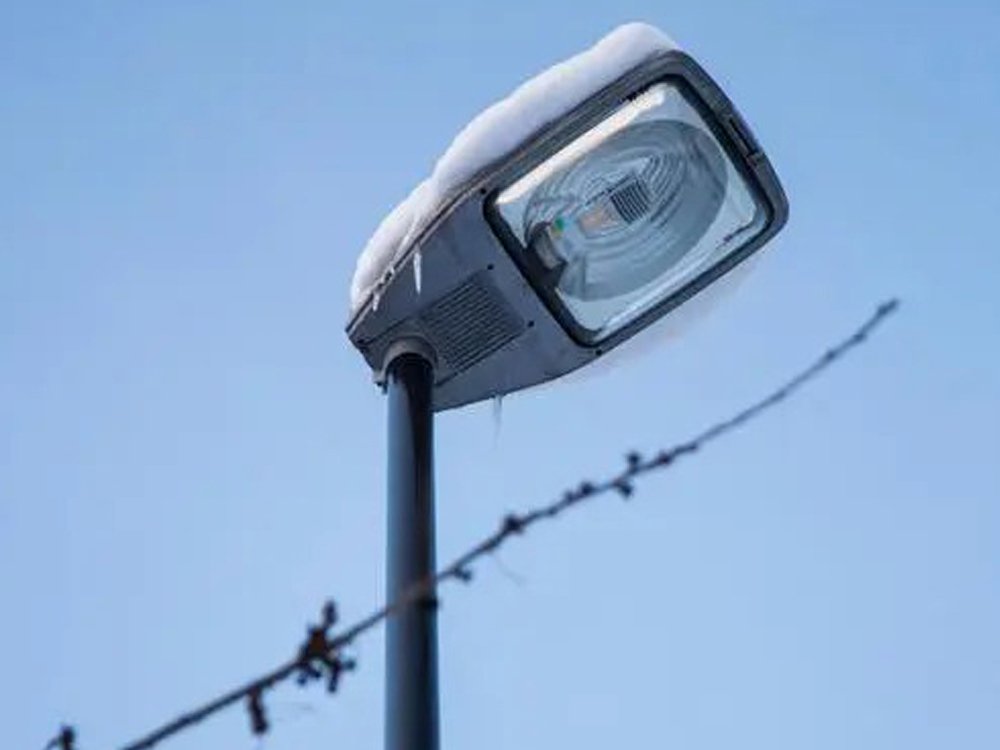
The Modern Age of Street Lighting
The evolution of street lighting continues unabated. In recent decades, LED (Light Emitting Diode) technology has emerged as the dominant force in outdoor illumination. Characterized by exceptional energy efficiency, long lifespan, and environmental friendliness, LED streetlights have revolutionized urban lighting.
Beyond mere illumination, streetlights have become intelligent hubs. Equipped with sensors and connectivity, smart streetlights can optimize lighting levels based on traffic patterns, weather conditions, and time of day. They can also monitor air quality, detect public safety hazards, and provide Wi-Fi connectivity. This integration of technology into street lighting has transformed these once simple fixtures into valuable assets for cities and communities.
Youlumi's Solar Solution
At Youlumi, we believe in harnessing the power of the sun to illuminate our world. Our solar street lights offer a sustainable and cost-effective alternative to traditional grid-powered options. By converting sunlight into electricity, our lights reduce reliance on fossil fuels and minimize environmental impact.
Youlumi solar street lights are designed for durability, efficiency, and performance. With advanced solar panels and intelligent battery management systems, they provide reliable illumination even in cloudy conditions. Our commitment to quality ensures that our products deliver exceptional performance and longevity.

Conclusion
From the smoky torches of antiquity to the intelligent LED lights of today, the history of street lighting is a testament to human ingenuity and innovation. These unsung heroes have shaped our cities, enhanced safety, and contributed to economic growth.
As we look to the future, it's clear that street lighting will continue to evolve. With advancements in technology and a growing emphasis on sustainability, we can expect even more innovative and efficient lighting solutions to emerge. Youlumi is proud to be at the forefront of this evolution, offering solar street lights that combine performance, sustainability, and affordability.
Frequently Asked Questions (FAQs)
Why are some street lights purple?
The color of a street light is often determined by the type of lamp used. Some older sodium vapor lamps can produce a yellowish or even pinkish hue, while newer LED lights offer a wider range of color temperatures, including those that may appear slightly purple.
When do street lights go on?
The timing of street light activation can vary depending on factors such as location, time of year, and local regulations. Many modern streetlights use light sensors to automatically turn on when it gets dark.
Why are some street lights blue?
Blue street lights are becoming increasingly common due to their effectiveness in deterring insects. Certain wavelengths of blue light are less attractive to insects, reducing light pollution and improving visibility for pedestrians and drivers.
Who invented the street light?
While there is no single inventor of the street light, William Murdoch is often credited with developing the first practical gas-lit street lamp in the late 18th century.
By understanding the history of street lighting and the latest advancements in technology, we can appreciate the importance of these essential urban fixtures and make informed choices about lighting solutions for our communities.


