
In the ever-evolving world of wellness technology, an innovation is capturing the attention of athletes, biohackers, and everyday health enthusiasts alike: the red light therapy sleeping bag. This immersive, full-body approach to a scientifically backed therapy is quickly becoming a go-to for those seeking enhanced recovery, deeper sleep, and rejuvenated skin—all from the comfort of their own home. In fact, if you’ve heard the buzz around infrared therapy blankets or full-body mats, the sleeping bag concept takes it a step further, promising an unparalleled, enveloping wellness experience.

So, what’s behind this trend? It’s a convergence of convenience and efficacy. The desire for professional-grade recovery tools that fit seamlessly into our busy lives has never been higher. Consequently, a red light therapy sleeping bag offers just that—a powerful, versatile, and space-saving solution for anyone serious about upgrading their health.
What Is a Red Light Therapy Sleeping Bag?
At its core, a red light therapy sleeping bag is a flexible, full-body device embedded with hundreds, or even thousands, of high-intensity LEDs. It wraps you in therapeutic wavelengths of light, ensuring comprehensive and uniform coverage from head to toe. This isn’t just a cozy accessory; it’s a sophisticated wellness tool grounded in the science of Photobiomodulation (PBM). For a deeper dive into clinical mechanisms, you can also explore our Photobiomodulation Therapy (PBMT) guide.
How It Works: The Science of Photobiomodulation
Photobiomodulation is a non-invasive therapeutic process where specific wavelengths of light stimulate cellular activity. When the light penetrates your skin, your cells’ mitochondria—often called their “powerhouses”—absorb it. This absorption then triggers a series of beneficial biological reactions:

- First, Increased ATP Production: The light energy boosts the production of adenosine triphosphate (ATP), the primary energy currency of our cells. With more energy, cells can repair themselves, regenerate, and function more efficiently.
- Additionally, Reduced Oxidative Stress: PBM helps decrease the accumulation of free radicals, which are unstable molecules that can cause cellular damage.
- Furthermore, Enhanced Circulation: The therapy stimulates the release of nitric oxide, a molecule that helps relax blood vessels. As a result, it improves blood flow and delivers more oxygen and nutrients to tissues. In professional settings, dedicated red light therapy for circulation protocols can turn this into a clearly defined service.
- Finally, Modulated Inflammation: Red light therapy helps to reduce inflammation in cells and tissues, a key factor in many types of pain and chronic conditions.
The most effective devices, including sleeping bags, utilize a combination of two clinically proven wavelengths:
- 660nm (Red Light): Your skin’s surface layers readily absorb this visible red light. It is renowned for stimulating collagen production, improving skin tone, and accelerating wound healing.
- 850nm (Near-Infrared Light – NIR): Invisible to the naked eye, this wavelength penetrates deeper into tissues, reaching muscles, joints, and even bone. For this reason, it is highly effective for reducing inflammation, relieving pain, and promoting deep tissue repair.
By combining these two wavelengths, a red light therapy sleeping bag offers a dual-action approach, addressing everything from skin health to deep muscle recovery in a single session.
The Holistic Benefits of a Red Light Therapy Sleeping Bag
The true appeal of this device lies in its ability to deliver a wide array of health benefits simultaneously. Its full-body design ensures that no area is left untreated, making it one of the most efficient wellness tools you can use at home.
1. Total Body Coverage for Systemic Results
Unlike smaller panels or wands that target specific areas, a sleeping bag envelops your entire body. This comprehensive exposure promotes systemic benefits, meaning you can feel the positive effects throughout your body. Ultimately, it’s the best way to experience full-body red light therapy at home.
2. Accelerated Muscle Recovery & Pain Relief
For athletes and fitness enthusiasts, recovery is paramount. In fact, research clinically shows that red light therapy can significantly speed up muscle repair and reduce delayed onset muscle soreness (DOMS). It works by decreasing inflammation, improving blood flow to tired muscles, and stimulating mitochondria to produce more energy for repair. Therefore, regular red light therapy for athletic recovery and targeted red light therapy for muscle recovery protocols can help athletes train harder, bounce back faster, and reduce their risk of injury.

3. Profound Stress Relief & Improved Sleep Quality
In our fast-paced world, managing stress is crucial for long-term health. Fortunately, red light therapy sessions provide a calming, therapeutic experience that can help lower cortisol levels, the body’s primary stress hormone. Moreover, evening exposure to red light, unlike the disruptive blue light from screens, can help regulate your body’s natural circadian rhythm and support melatonin production. This leads to falling asleep faster, enjoying deeper, more restorative sleep, and waking up with greater energy.
4. Rejuvenated Skin Health & Anti-Aging
The benefits of red light therapy for the skin are well-documented. By stimulating the production of collagen and elastin—the proteins that give skin its structure and firmness—it can help reduce the appearance of fine lines, wrinkles, and sagging skin. When combined with clinic-grade protocols such as red light therapy for dry skin and overall skin health, the full-body coverage of a sleeping bag means you can address skin on your neck, chest, and all over your body, not just your face, promoting a more even and youthful complexion.
5. Ultimate Convenience: Portability & Space-Saving Design
A significant advantage of the sleeping bag or infrared light therapy blanket design is its practicality. Unlike bulky red light therapy beds that require a dedicated room, you can easily roll up and store a sleeping bag in a closet or under a bed. This makes it a perfect solution for those living in apartments or homes with limited space, offering a powerful therapy without the large footprint.
Who Should Consider a Red Light Therapy Sleeping Bag?
The versatility of this device makes it an invaluable tool for a wide range of users:
- Athletes & Fitness Enthusiasts: To enhance performance, accelerate recovery, and prevent injuries.
- Wellness Consumers: For general health optimization, stress management, improved sleep, and anti-aging.
- Spas & Wellness Clinics: To offer clients a premium, full-body recovery and rejuvenation service that complements other treatments.
- Rehabilitation Centers: As a non-invasive modality to help manage pain and inflammation for patients.
- Busy Professionals & Home Users: Anyone seeking an efficient, effective, and convenient way to invest in their daily health without leaving home.
How to Use a Red Light Therapy Sleeping Bag Safely and Effectively
Integrating a red light therapy sleeping bag into your routine is simple. However, for optimal results, consistency is key.
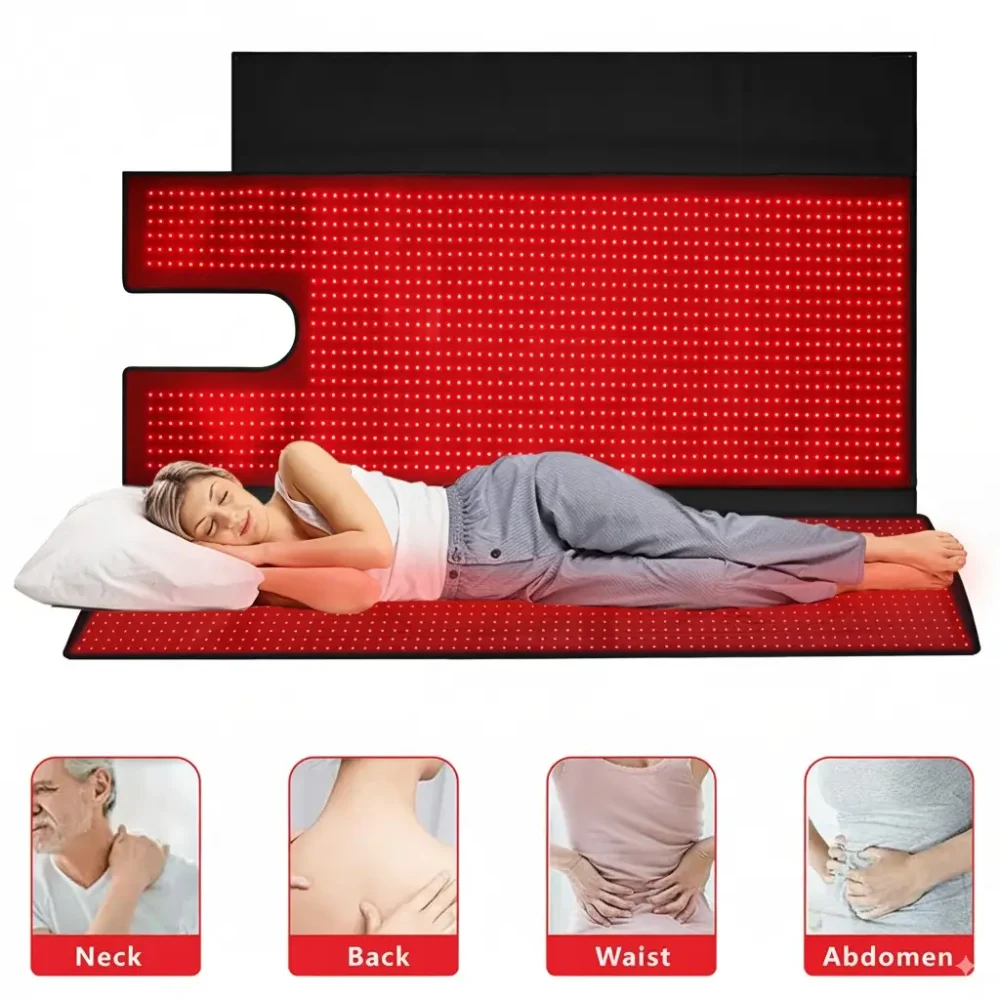
- Usage Frequency: Most users benefit from 3-5 sessions per week, with each session lasting between 10 to 20 minutes. For acute pain or injury, you might start with daily sessions and then taper down.
- Eye Protection: While red light therapy is generally safe for the eyes, the LEDs are very bright. For this reason, we always recommend wearing the provided protective goggles, especially when the light is near your face. Alternatively, you can simply keep your eyes closed during the session. Professional operators can also follow best practices from our red light therapy eye protection guide.
- Precautions: Red light therapy is very safe with few reported side effects. However, if you are pregnant, have a history of seizures, or are taking photosensitizing medications, it’s wise to consult with your doctor before beginning treatment. Clinic owners should review key contraindications for red light therapy and evidence-based red light therapy risks before creating protocols. Always start with shorter sessions to see how your body responds.
Not an all-night device: A red light therapy sleeping bag is designed for short, controlled sessions, not for sleeping in it all night. After each session, open the bag, let your body cool down, drink water, and give your skin and circulation time to recover.
Looking for a clinic-grade red light therapy sleeping bag?
Explore the YouLumi YL-IRWS-022M full-body sleeping bag with 2,520 LEDs, dual 660nm and 850nm wavelengths and adjustable programs for home and professional use.
View specs & pricingRed Light Therapy Sleeping Bag vs Mat vs Blanket vs Bed
Choosing the right full-body device depends on your specific needs, space, and budget. To help, here’s how the different options stack up:
| Feature | Sleeping Bag | Mat | Blanket | Bed |
|---|---|---|---|---|
| Coverage | 360-degree, full envelopment | Top or bottom surface | Drapes over the body, less uniform | Full 360-degree, most immersive |
| Light Uniformity | Excellent, consistent distance | Good, but only one side | Variable, can have gaps/folds | Excellent, professional-grade |
| Portability | High, easily rolls up for storage | High, easily rolls up | High, easily folds | Very Low, stationary installation |
| Space Required | Minimal, can be used on bed/floor | Minimal, can be used on bed/floor | Minimal, can be used on couch/bed | A dedicated room or large space |
| Typical Use | Immersive recovery, sleep, skin | Recovery, pain relief, meditation | Relaxation, warmth, gentle therapy | High-end home wellness, clinics |
| Cost | Moderate to High | Low to Moderate | Low to Moderate | Very High |
How to Choose the Right Red Light Therapy Device
When you invest in one of the best red light therapy devices for home, remember that not all are created equal. Here are the key factors to consider:
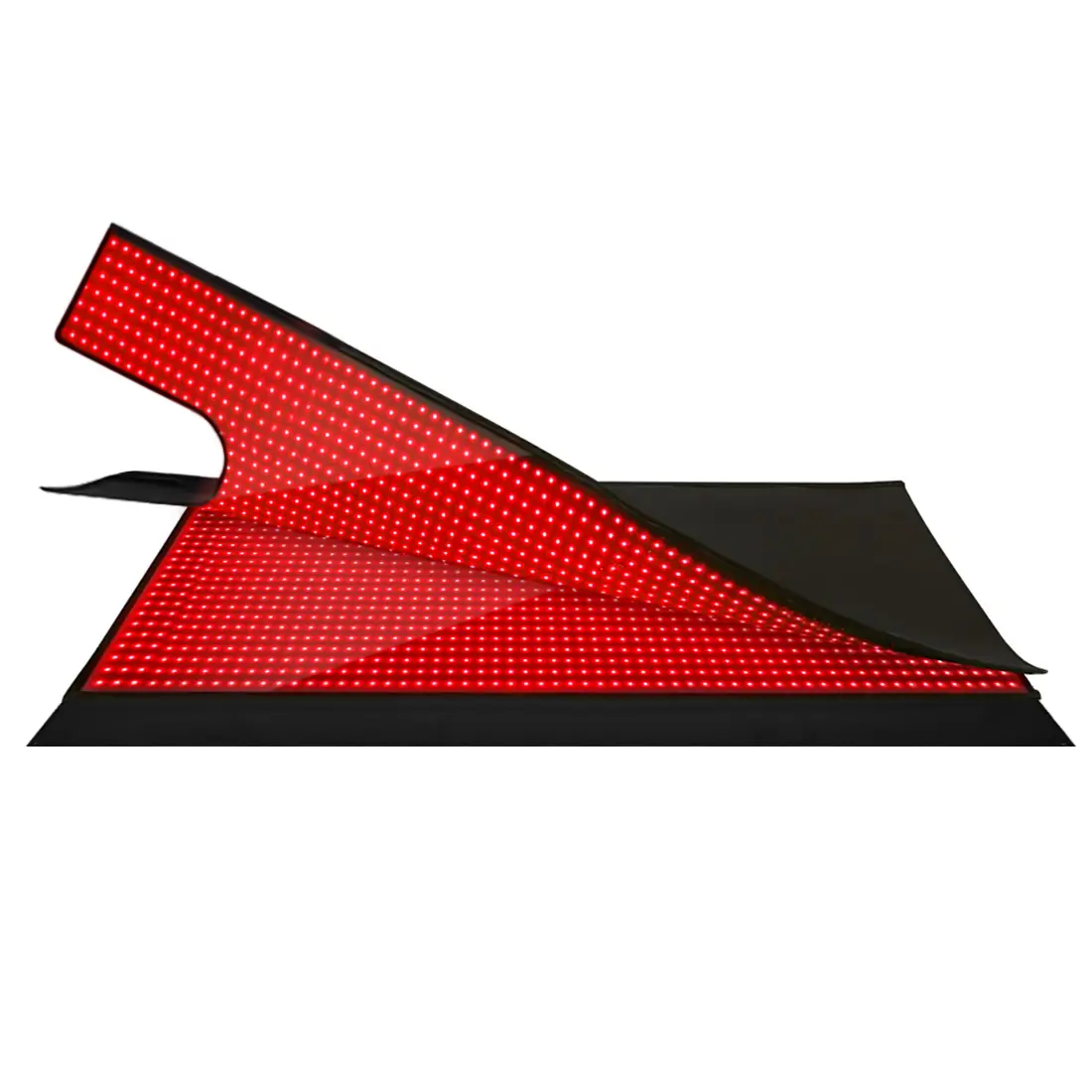
- LED Count & Density: First, more LEDs spaced closely together provide more uniform and powerful coverage.
- Irradiance (Power Density): Second, look at the power density, measured in mW/cm². This indicates the amount of light energy reaching your body, so higher irradiance means more effective therapy in shorter sessions.
- Wavelengths: Third, ensure the device offers both 660nm (Red) and 850nm (NIR) wavelengths for comprehensive benefits.
- Low EMF Output: Also, look for devices tested for low electromagnetic field (EMF) emissions to ensure a safe and natural experience.
- Safety Certifications: Importantly, certifications like FDA, CE, and RoHS indicate that the product meets high safety and quality standards.
- OEM/ODM Options: Finally, for business owners, choosing a manufacturer that offers Original Equipment Manufacturer (OEM) or Original Design Manufacturer (ODM) services allows for custom branding and specifications to fit your clinic or retail needs.
What Makes the Best Red Light Therapy Sleeping Bag?
- Even LED coverage: The best red light therapy sleeping bags use a dense LED layout so there are no “dark spots” along your legs, back or shoulders.
- Clinically relevant wavelengths: Look for 660nm red and 850nm near-infrared light, which are among the most studied ranges for recovery, pain relief and skin health.
- Comfortable, easy-to-clean materials: A smooth inner surface and durable outer shell make it simple to wipe down between uses at home or in a clinic.
- Safe power and timers: Built-in timers and adjustable intensity help you stay within recommended session times without overheating.
The YouLumi YL-IRWS-022B red light therapy sleeping bag was engineered around these points, with 2,520 LEDs, dual 660nm and 850nm wavelengths and adjustable settings so clinics and home users can run consistent, repeatable protocols.
Conclusion: Your Personal Wellness Cocoon
The red light therapy sleeping bag represents the next step in accessible, at-home wellness. It combines the proven science of photobiomodulation with the ultimate convenience of a portable, full-body design. It is more than just a device; it’s a personal sanctuary where you can actively accelerate recovery, melt away stress, improve your sleep, and revitalize your skin in just a few minutes a day.
If you are ready to embrace a holistic approach to your health and unlock your body’s full potential, then a red light therapy sleeping bag is a powerful investment in your long-term well-being.
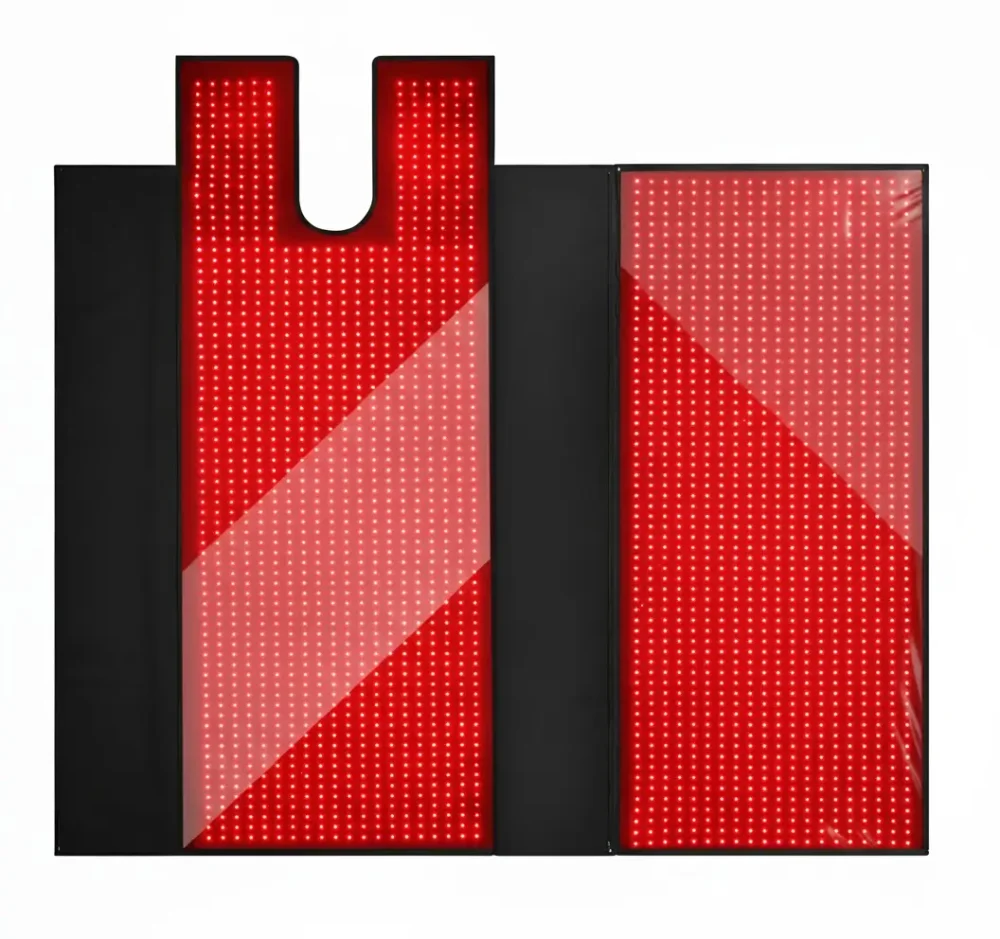
Ready to experience full-body red light recovery?
The YouLumi YL-IRWS-022M red light therapy sleeping bag combines 2,520 high-density LEDs with dual 660nm and 850nm wavelengths to deliver a professional-grade, full-body wellness experience at home or in clinics.
Explore YL-IRWS-022MFrequently Asked Questions (FAQ)
1. Is red light therapy safe?
Yes, experts generally consider red light therapy to be very safe and non-invasive, as it does not use harmful UV rays. The most common side effect is temporary redness or tightness if you have sensitive skin, which you can manage by reducing session time. For safety, we always recommend using eye protection and being aware of established red light therapy risks in a clinical context.
2. How often should I use a red light therapy sleeping bag?
For general wellness, we recommend 3 to 5 sessions per week for 10-20 minutes per session. This consistency is crucial for achieving noticeable and lasting results. However, for specific goals like pain relief or injury recovery, you can adjust the frequency based on your body’s response and your healthcare provider’s advice.
3. How long does it take to see results?
Results can vary depending on the individual and the condition you are treating. For instance, some users report feeling more relaxed and sleeping better after just a few sessions. Other benefits like pain reduction may appear within a week or two of consistent use. Skin rejuvenation and muscle recovery benefits are often more cumulative and become more apparent after several weeks to a month of regular use.
4. What does a session feel like? Is it hot?
A session in a red light therapy sleeping bag typically feels like a gentle, soothing warmth. Unlike an infrared sauna which uses intense heat to make you sweat, a red light therapy device produces very little heat. Therefore, the sensation is relaxing and pleasant, not hot or uncomfortable.
5. Can I sleep in a red light therapy sleeping bag all night?
No. A red light therapy sleeping bag is meant for short, controlled sessions – typically 10–20 minutes, a few times per week. It is not designed to be used like a regular blanket or for overnight sleep. Staying in it too long can lead to overheating and discomfort, and there is no added benefit compared with a properly timed session.
6. Can I wear clothes during the session?
For the best results, we highly recommend using the device on your bare skin. This is because clothing, even thin fabrics, can block the red and near-infrared light from penetrating your skin and reaching your cells. To ensure maximum effectiveness, direct skin contact is optimal.
7. What is the difference between a red light therapy sleeping bag and an infrared sauna?
While both use infrared wavelengths, their primary mechanisms and goals are different. An infrared sauna uses heat to warm your body, induce sweating, and promote detoxification. In contrast, a red light therapy device uses specific, non-thermal wavelengths of light (like 660nm and 850nm) to stimulate cellular processes like ATP production and collagen synthesis. In short, think of it as light-based cellular nutrition versus heat-based therapy.
8. How do I clean and maintain the sleeping bag?
Maintenance is simple. First, always ensure you unplug the device. Then, you can clean the surface with a damp cloth and a mild, non-abrasive cleaner if needed. Gently wipe it down and let it air dry completely before storing. Most importantly, never submerge the device in water or put it in a washing machine.


